

The allure of the environment
The design of casinos is meticulously crafted to create an enticing atmosphere that captivates and draws players in. From the moment patrons step inside, they are greeted with vibrant colors, eye-catching lights, and rich sounds that together foster an exhilarating euphoria. This sensory stimulation is not only designed to grab attention but also to maintain it, encouraging visitors to linger longer. For those looking to enjoy their time, instant payid pokies australia real money can enhance the experience while the rhythmic chimes of slot machines, the laughter from table games, and the alluring smells of food and drinks combine to create an almost intoxicating experience that feels both welcoming and exhilarating.
Furthermore, the layout of casinos is strategically planned to promote exploration and engagement. The winding paths and cleverly positioned gaming machines and tables make it challenging for players to navigate directly to an exit. Instead, they find themselves drawn deeper into the establishment, discovering new games and enticing areas as they go. This design element plays a significant psychological role, as it capitalizes on the human tendency to explore and seek novelty, thereby prolonging engagement and increasing the likelihood of play. The very architecture of these spaces encourages players to lose track of time and become immersed in their surroundings.
The psychological impact of a well-designed environment cannot be overstated. Studies have shown that people are more likely to continue gambling when they feel stimulated by their surroundings. This phenomenon, often referred to as the “sunk cost fallacy,” means that the more time and money players invest in a game or experience, the more compelled they feel to keep playing, hoping to recover their losses or find that elusive jackpot. Consequently, the casino environment is tailored to reinforce this mentality, ensuring that players remain engrossed in their experience while subconsciously justifying continued investment in hopes of a favorable outcome.
Game variety and psychology
The diversity of games available in casinos is another crucial aspect of their psychological design. By offering a wide array of gaming options, from traditional table games to innovative slots, casinos cater to a broad spectrum of preferences and playing styles. This variety creates a sense of excitement and anticipation, as players can easily shift between games to maintain their interest and engagement. The psychological concept of « choice overload » comes into play here; while having too many options can be overwhelming, it can also lead to increased satisfaction when players find a game that resonates with them, enhancing their overall experience.
Each game is engineered to maximize player engagement through psychological triggers. For instance, slot machines often employ bright graphics, themed content, and interactive features that keep players coming back for more. The use of near-misses—where players almost win but do not—acts as a powerful lure, tapping into the brain’s reward system. This behavior is supported by the brain’s release of dopamine, a neurotransmitter linked to pleasure and reinforcement, making players more likely to return despite potential losses. The thrill of nearly winning can be more enticing than the actual win, creating a cycle of continued play.
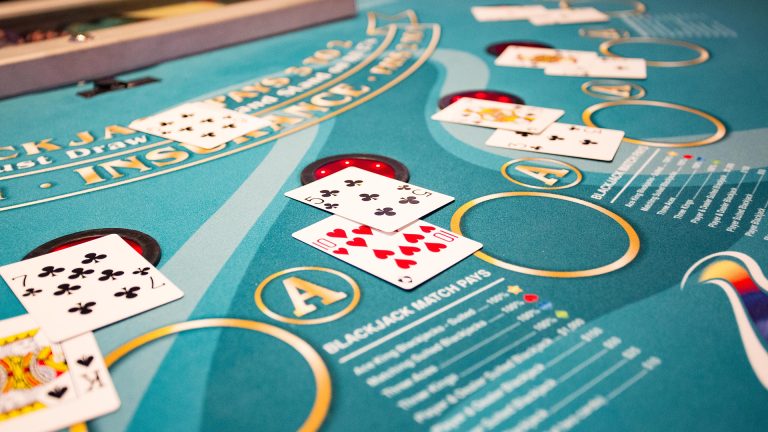
Moreover, the design of these games considers the player’s emotional state. For example, games that allow for skill-based play tend to attract those who enjoy a challenge, appealing to their competitive nature. In contrast, pure chance games attract players seeking relaxation and entertainment. This tailored approach to game design not only enhances the player experience but also ensures that each individual feels a personal connection to their chosen gaming style. This connection fosters longer play sessions and increased spending, as players are more likely to invest time and money into games they feel personally invested in.
The role of rewards and incentives
Rewards and incentives play a critical role in the psychology of casino design. Casinos utilize a variety of bonuses, loyalty programs, and player rewards to enhance the gaming experience and encourage repeat visits. These rewards create a sense of accomplishment and belonging, as players feel recognized and valued for their patronage. The anticipation of receiving a reward not only motivates players to continue playing but also heightens the overall thrill of the gambling experience, effectively tying emotional satisfaction to gameplay.
The psychological principle of variable reinforcement is particularly effective in this context. Unlike fixed rewards, which can lead to a drop in motivation once the reward is received, variable rewards keep players engaged and guessing. This unpredictability—akin to a slot machine payout—creates a sense of excitement and reinforces the desire to keep playing. As players experience intermittent rewards for their efforts, they become more likely to engage in prolonged gameplay, hoping for that next big win. This mechanism is rooted deeply in behavioral psychology and explains why players often chase losses rather than walk away.
Additionally, the social aspect of gambling can amplify the effects of these rewards. Many casinos encourage a communal atmosphere, where players share in the excitement of wins and celebrate each other’s successes. This social reinforcement can boost individual morale and make the overall experience more enjoyable. When players share their gaming experiences with friends or fellow patrons, the emotional connections formed can further entice them to return, creating a cycle of engagement that benefits the casino. This sense of community can transform gaming from a solitary activity into a shared experience, which can be more rewarding and addictive.
Psychological traps and influences
Casinos are adept at creating psychological traps that keep players engaged longer than they might intend. One of the most significant traps is the illusion of control. Many players believe that their skills or decisions can influence the outcome of games, particularly in table games like poker or blackjack. This belief can lead players to feel more confident and invested, pushing them to play longer in hopes of achieving success. This psychological bias is often exploited in casino design, as it fosters a false sense of agency over random outcomes, encouraging players to continue gambling in pursuit of victory.

Another common influence is the use of time distortion techniques. Casinos often lack clocks and windows, creating an environment devoid of external time cues. This design choice intentionally disorients players, making them lose track of time as they become absorbed in gaming. Research indicates that when time perception is altered, individuals are likely to spend more money, driven by the desire to extend their enjoyment without realizing how long they have been playing. This manipulation of time perception can significantly increase player expenditures, as the absence of natural time cues allows for extended gaming sessions.
Moreover, the idea of ‘loss aversion’ further solidifies the connection between players and their chosen games. Players are often more motivated to avoid losses than to achieve gains, a psychological phenomenon that casinos capitalize on. This understanding leads to a design that emphasizes the potential for loss recovery, encouraging players to continue playing even in the face of setbacks. By fostering this mindset, casinos ensure that players remain emotionally and psychologically entangled in their gaming experiences. This emotional investment can create a powerful barrier to leaving, as players often rationalize their continued play in hopes of turning their fortunes around.
Connecting with players online
The rise of online platforms has transformed how casinos interact with players, leveraging psychological principles to enhance engagement in a digital environment. Just like physical casinos, online counterparts utilize sophisticated designs, vibrant graphics, and soundtrack elements to create an immersive experience. The seamless integration of technology allows for continuous interaction and engagement, mirroring the sensory stimulation found in traditional settings while also providing the convenience of play from anywhere.
Additionally, online casinos employ personalized marketing strategies to connect with players on an individual level. By analyzing player behavior and preferences, these platforms can tailor their offerings, promoting games and rewards that align with each user’s interests. This personalized approach taps into the psychology of consumer behavior, making players feel valued and understood, thus encouraging them to return for more. The ability to customize experiences based on user data ensures that players remain engaged and invested in their gaming choices.
Furthermore, social features have become a hallmark of online casino design. Many platforms offer interactive elements, such as chat functions or multiplayer games, that foster a sense of community among players. This social interaction can enhance the gaming experience, similar to the camaraderie found in physical casinos. By recreating the stimulating social environment of traditional gambling in an online setting, casinos successfully engage players’ psyches, ensuring prolonged participation and loyalty. The combination of social interaction with gaming not only increases player satisfaction but also reinforces the need to return for a shared experience.